
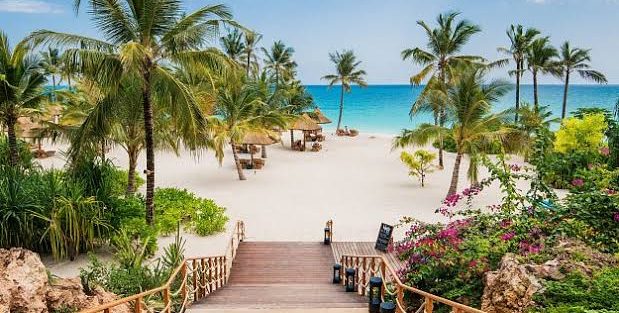
Planning a hotel registration in Zanzibar is the foundational step for international entrepreneurs looking to tap into one of Africa’s fastest-growing luxury tourism markets. Widely known as the “Spice Island,” the archipelago has rapidly evolved into a premier investment hub, driven by its rich cultural heritage in Stone Town, world-class beaches, and investor-friendly government policies. However, transforming a hospitality vision into an operational reality requires navigating a distinct, multi-agency regulatory ecosystem. This executive guide details the end-to-end licensing, corporate structures, and compliance frameworks necessary for a successful hospitality investment.
1. Corporate Structuring & Company Registration
Before seeking operational or industry-specific licenses, investors must establish a valid legal entity under Zanzibar law.
Entity Incorporation via ZBPRA
The Zanzibar Business and Property Registration Agency (ZBPRA) manages all business incorporations. International investors typically choose between two primary legal structures:
-
Local Subsidiary: A company incorporated locally under the Zanzibar Companies Act, allowing up to 100% foreign shareholding.
-
Foreign Branch Registration: The registration of an existing overseas corporate entity to operate locally as a branch.
Strategic Investment via ZIPA
For mid-to-large-scale hospitality developments, securing formal status with the Zanzibar Investment Promotion Authority (ZIPA) is highly advantageous. ZIPA acts as a one-stop center that streamlines bureaucratic hurdles and grants lucrative fiscal incentives.
To qualify for ZIPA strategic status, investments must meet specific capital thresholds:
| Investor Category | Minimum Capital Investment Requirement |
| Foreign Investors | USD 2,500,000 (applicable to hotel and tourism projects) |
| Domestic Investors | USD 300,000 |
Key ZIPA Benefits: Approved projects enjoy corporate income tax holidays, exemptions from import duties on capital goods (such as hotel construction materials and equipment), and accelerated processing of immigration permits.
2. Fiscal and Tax Registration
Tax compliance is managed across two distinct revenue authorities, depending on the nature of the tax:
-
Tanzania Revenue Authority (TRA): Investors must secure a Taxpayer Identification Number (TIN) from the TRA. The TRA administers Union-level taxes, including Corporate Income Tax (CIT) and withholding taxes.
-
Zanzibar Revenue Authority (ZRA): Local revenue compliance is handled strictly by the ZRA. Hotels must register for Value Added Tax (VAT)—currently set at 15%—and establish compliance structures for the monthly local Tourism Levy and Hotel Levy.
3. Statutory Regulatory Clearances
A hotel operating license will not be issued without prior structural, health, and environmental sign-offs from specialized regulatory bodies.
[ZEMA Environmental Clearance] ──> [Fire & OSHA Safety Approvals] ──> [Ministry of Health Certification]
-
Environmental Clearance (ZEMA): The Zanzibar Environmental Management Authority (ZEMA) requires an Environmental and Social Impact Assessment (ESIA) for all new hotel constructions and major renovations. Operational approval is contingent on a clean ZEMA certificate.
-
Fire Safety Certificate: Issued by the Department of Fire and Rescue Services following a physical audit of fire suppression systems, emergency exits, and evacuation protocols.
-
Occupational Safety Certificate (OSHA): Ensures workplace safety mechanisms comply with local labor laws and safety standards, protecting both construction and operational staff.
-
Health and Sanitation Certificates: Issued by the Ministry of Health, requiring medical examinations and certificates for all food-and-beverage handling personnel.
4. The Zanzibar Commission for Tourism (ZCT) License
The Zanzibar Commission for Tourism (ZCT) is the apex regulatory body for the hospitality industry. A ZCT-issued Tourism Operating License is legally mandatory for all resorts, hotels, lodges, and guesthouses.
5. Post-Registration & Ongoing Operations
Achieving baseline licensing unlocks operations, but maintaining a compliant asset requires ongoing adherence to local labor and municipal frameworks.
-
Liquor Licensing: The sale and distribution of alcoholic beverages requires a standalone liquor license obtained through the relevant regional municipal council or liquor licensing board.
-
Immigration, Work, and Residence Permits: Foreign investors, directors, and expatriate specialists must be legally authorized to reside and work in the country. This requires securing a Work Permit alongside a Class A (Investor) or Class B (Expatriate Employee) Residence Permit.
-
Labor & Social Security (ZSSF): All hospitality employers must register their entire workforce with the Zanzibar Social Security Fund (ZSSF). Monthly statutory deductions and matching employer contributions must be filed accurately to avoid severe labor tribunal penalties.
Professional Implementation Support
Establishing a hotel in Zanzibar demands meticulous, cross-agency coordination across ZBPRA, ZIPA, TRA, ZRA, and the ZCT. Delays in any single component can stall construction timelines or push back opening dates, accumulating unexpected overhead costs.
For expert legal guidance, corporate structuring, and streamlined administrative processing, international hospitality brands and independent investors work with local specialists.
Direct Corporate Contact: To consult on your upcoming hospitality development, contact the corporate advisory team directly at (info@gerpatsolutions.co.tz)